What to Eat Before and After BJJ: Nutrition Guide for Training
What you eat before and after BJJ class significantly impacts your performance and recovery. Here's a practical nutrition guide for Kaizen Academy students in Venice, CA.
What you eat before and after BJJ class significantly impacts your performance and recovery. Here's a practical nutrition guide for Kaizen Academy students in Venice, CA.
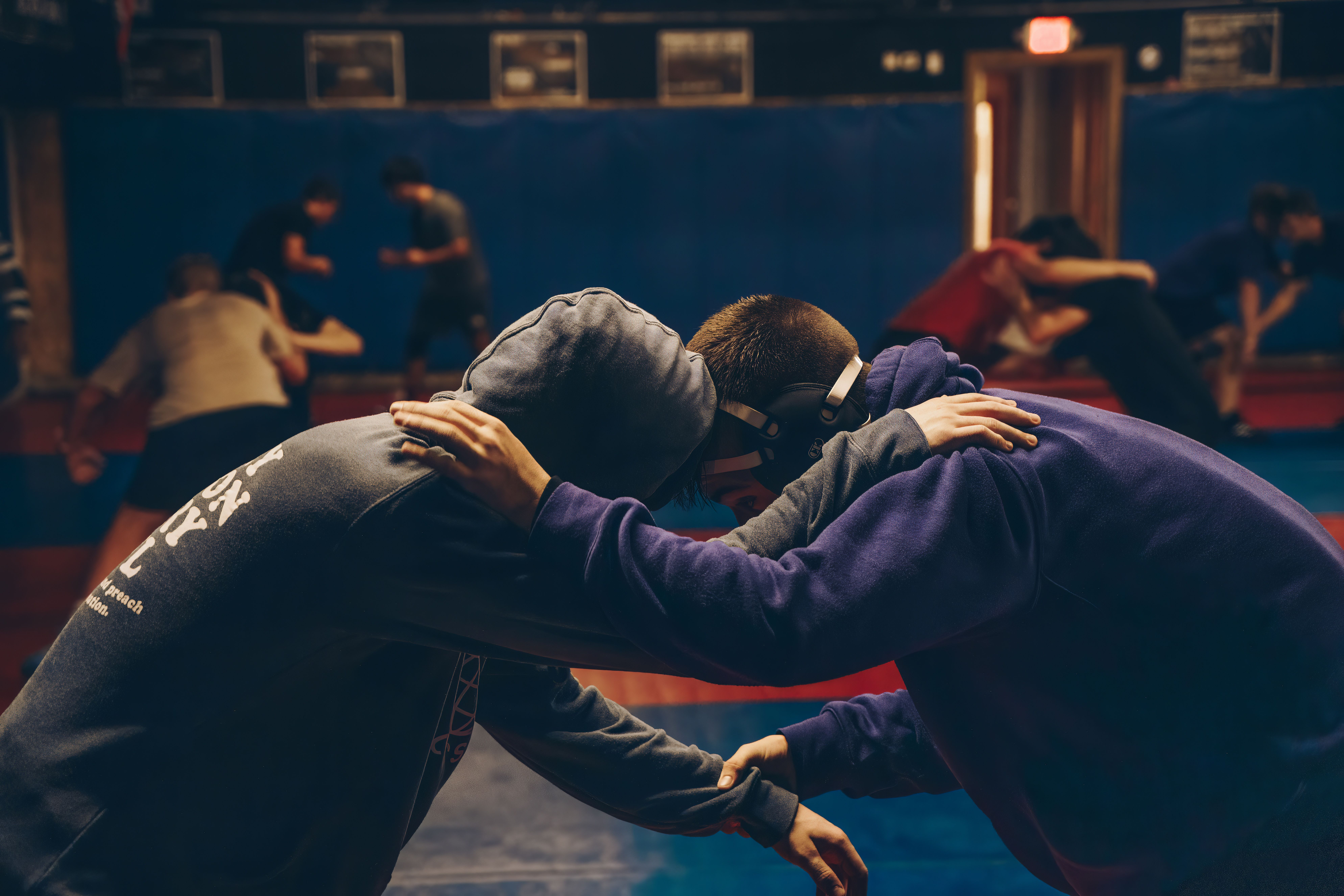

What should you eat before and after BJJ? Learn practical nutrition, hydration, and recovery tips for Brazilian Jiu Jitsu training at Kaizen Academy in Venice, CA.
Venice, CA is a food culture city. Between the farmers markets, the health-conscious restaurants on Abbot Kinney, and a population that takes nutrition seriously, Kaizen Academy students tend to be more aware of what they eat than the average gym member. But BJJ creates some specific nutritional demands that are worth understanding if you want to train well consistently.
Here's a practical, non-dogmatic guide to fueling your BJJ practice.
Timing matters more than composition. The biggest mistake new BJJ students make is eating a full meal too close to class. BJJ involves constant positional changes, compression, and explosive movement — a full stomach makes all of this genuinely uncomfortable and can cause nausea or cramping.
General guideline:
What to eat in that window:
2.5–3 hours before: A balanced meal with lean protein, complex carbohydrates, and moderate fat. Examples: chicken and rice, salmon with sweet potato, eggs and toast with avocado.
60–90 minutes before: Something lighter and easily digestible. Examples: a banana with almond butter, Greek yogurt with fruit, oatmeal with honey, a small smoothie.
30 minutes before: If you need something, keep it minimal. A banana, a handful of dates, a small piece of fruit.
What to avoid before training:
BJJ training produces significant sweat, even in a climate-controlled gym. Dehydration impairs performance, slows recovery, and increases injury risk.
Before class: 16–20oz of water in the 2 hours leading up to training. During class: Sip water during breaks — don't chug. After class: Rehydrate aggressively. A general rule is to drink 16–24oz for every pound of body weight lost during training (weigh yourself before and after if you want to be precise).
Electrolytes matter if you're training multiple days per week. A banana, coconut water, or an electrolyte supplement after hard sessions helps replace what you sweat out.
The 30–60 minute window after BJJ training is when your muscles are most receptive to nutrients for repair and growth. Don't miss this window.
Protein: 20–40g to support muscle repair. Good sources: chicken, fish, Greek yogurt, eggs, protein shake, tofu, legumes.
Carbohydrates: Replace glycogen stores depleted during training. Good sources: rice, sweet potato, fruit, oats, whole grain bread.
Example post-training meals:
Venice's food scene makes eating well genuinely enjoyable. For consistent training (3+ sessions per week), total daily caloric intake and protein target matter more than any single meal. Aim for 0.7–1g of protein per pound of bodyweight daily and prioritize sleep — recovery is where adaptation happens.
Nutrition and hydration are only one half of recovery — training intelligently is the other. See our guide on how to train smart and stay healthy long-term.
At Kaizen Academy in Venice, CA, we want our students performing at their best on the mat. Questions about training, recovery, and nutrition are always welcome — ask your instructor.